


Chemicals
Projects & Industry Impact
Our Work in this Domain
Circular Innovation Lab works where chemicals policy meets the circular economy. We support UNEP's GEF-8 Integrated Programme on eliminating hazardous chemicals from supply chains, with a focus on fashion and construction. We develop knowledge products, including circular design guidance on chemicals, and help set up the programme's advisory structures. CIL Foundation is accredited to the Global Framework on Chemicals. At its first International Conference in Geneva, we submitted a paper on safe circularity. We are also a member of the GFC Electronics Working Group convened by UNEP. Our research follows hazardous substances across textiles, plastics, construction and agriculture value chains. It shows how green chemistry, transparency and traceability can keep materials circulating without carrying contamination with them.
WHO estimates that 2 million lives and 53 million disability-adjusted life-years were lost in 2019 due to exposure to selected chemicals.
Chemicals are part of almost every product and every supply chain. Current chemical production capacity of 2.3 billion tonnes, valued at US$5 trillion a year, is projected to double by 2030. Growth is shifting toward emerging economies: the Asia-Pacific region is projected to account for more than two-thirds of global sales by 2030. A circular economy that recycles hazardous substances only spreads them further. Safe circularity starts with what goes into materials in the first place.

Production and Design
Over 350,000 chemicals and chemical mixtures have been registered for production and use, and more than 50,000 industrial chemicals remain publicly unknown because they are claimed as confidential. Designing hazards out of materials and processes from the start is the most effective way to cut risk throughout a product's life.

Supply Chains and Use
Hazardous chemicals pass through global supply chains in dyes, finishes, additives, adhesives and pesticides. They reach workers, communities and consumers on the way. The same hazardous substances and chemical functions show up in sector after sector, so pollution pathways are systemic rather than isolated. They have to be tackled at the source, not only through downstream controls.
Waste and End-of-life
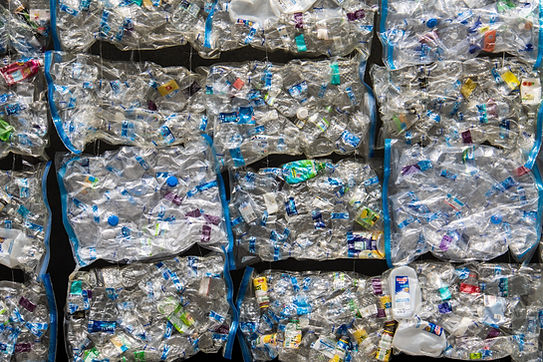
When products reach the end of their life, the chemicals in them don't disappear. Legacy substances can contaminate recycled materials, soil and water, and pose risks to workers in informal recycling. Without information on what products contain, recyclers cannot separate safe material streams from contaminated ones. That is why traceability and chemical transparency are essential for high-quality recycling.

Policy and Governance
The Global Framework on Chemicals, adopted in Bonn in 2023, has 28 targets relating to five strategic objectives. Among other things, it calls for the phase-out by 2035 of highly hazardous pesticides in agriculture. We work with governments, UN agencies and industry to turn these commitments into national action, sector roadmaps and supply-chain practice.


LATEST PUBLICATION
Green Chemistry, Circular Growth
Moving global supply chains beyond hazardous chemicals. A cross-sector analysis of how hazardous substances move through textiles, plastics, construction and agriculture, and how green chemistry and circular economy principles can work together to keep them out.
